Introduction: Markets at the Heart of African Commerce
For centuries, markets have been the lifeblood of African economies and communities. Long before modern shopping malls or digital marketplaces existed, traders gathered in open squares, village centers, and bustling city hubs to exchange goods, ideas, and culture. These markets were not just places to buy and sell.They were social meeting points, news centers, and gateways for regional and international trade.
Across the continent, many of these historic marketplaces still operate today. From ancient North African souks to West African trading hubs that once served the trans-Saharan trade routes, these markets have endured wars, colonial rule, urban expansion, and economic transformation. Yet they remain vibrant, adapting to modern commerce while preserving centuries-old traditions.
Below are 10 of the oldest markets in Africa that continue to thrive today, each with a rich history and lasting importance to local economies and cultural life.
1. Kurmi Market — Kano, Nigeria
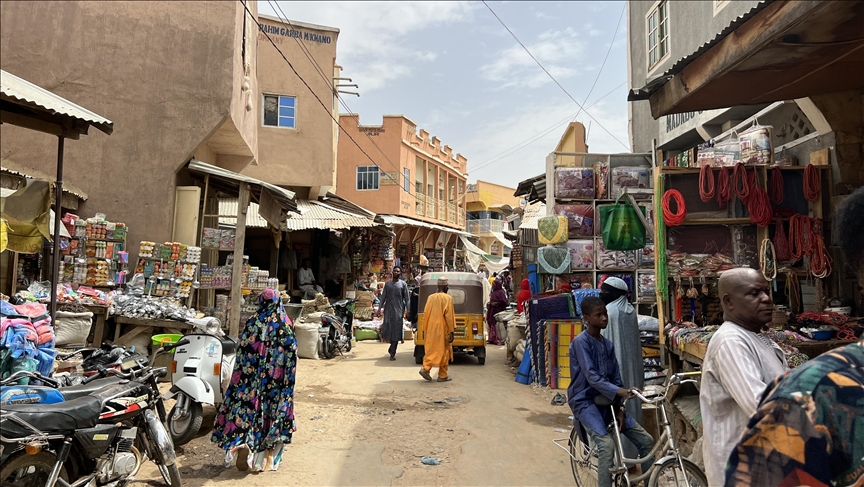
Founded in the 15th century during the reign of King Muhammad Rumfa, Kurmi Market is one of the oldest surviving markets in West Africa. It was established as a trading and storage center when Kano became a major commercial hub in the trans-Saharan trade network.
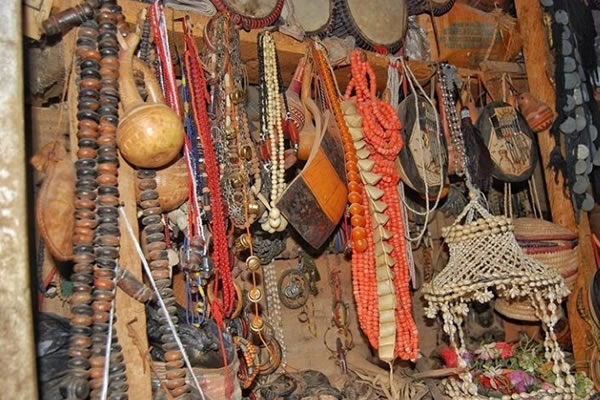
Historically, traders from across the Sahara—Tuareg, Arab, Hausa, and Yoruba merchants—brought goods such as leather, textiles, grains, spices, and livestock. Today, Kurmi Market still sells many traditional items, including leather products, fabrics, beads, and Islamic books.
Despite modernization in Kano, the market retains its historic layout and remains a major commercial center and cultural landmark.
2. Jemaa el-Fnaa Market Square — Marrakech, Morocco
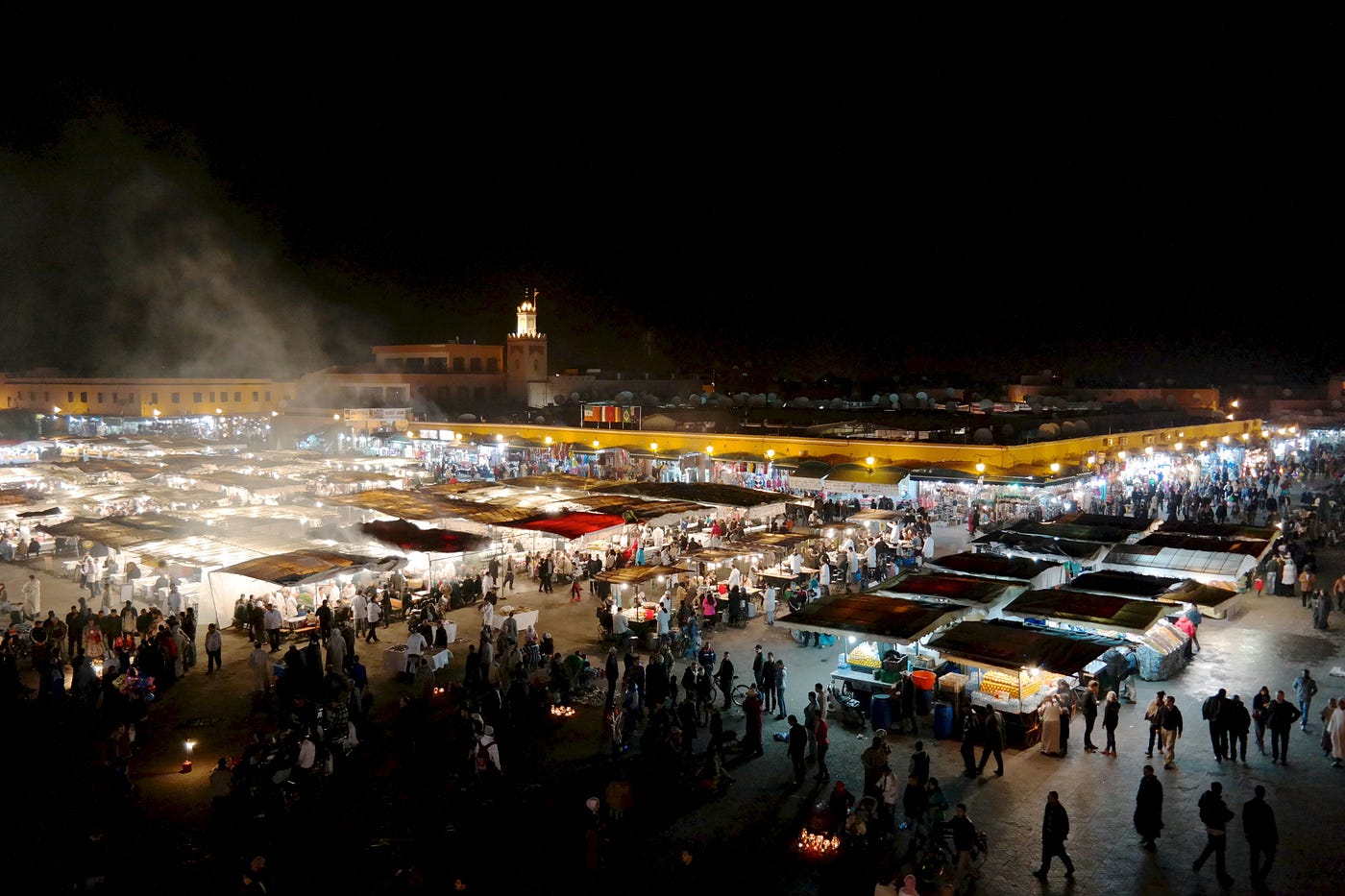
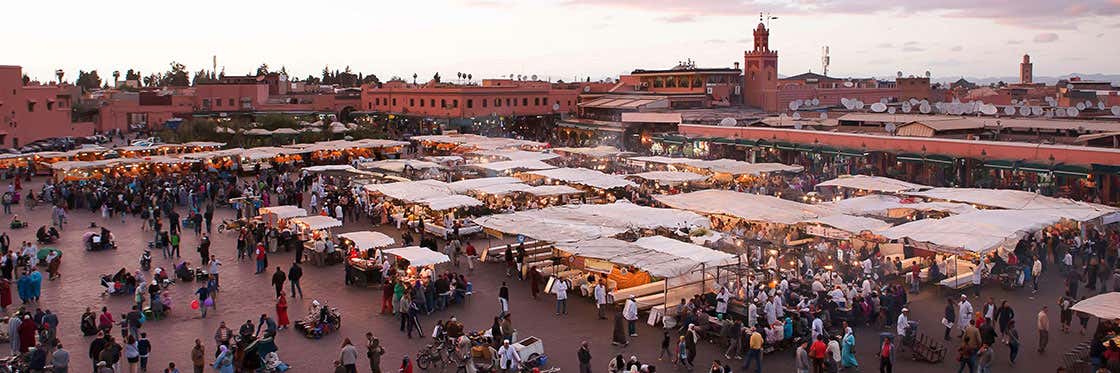
Dating back to the 11th century, Jemaa el-Fnaa is one of the most iconic marketplaces in North Africa. It sits at the heart of the old city of Marrakech and has served as a public trading and gathering space for nearly a thousand years.
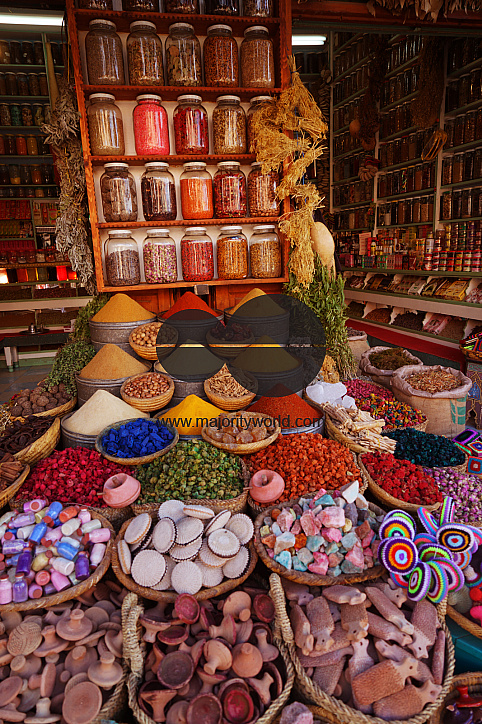
During the day, vendors sell fruit, juice, spices, and crafts. At night, the square transforms into a lively open-air food market with storytellers, musicians, and entertainers.
The square remains central to the cultural life of Marrakech and is recognized internationally as a living heritage site.
3. Medina Souks of Fez — Fez, Morocco
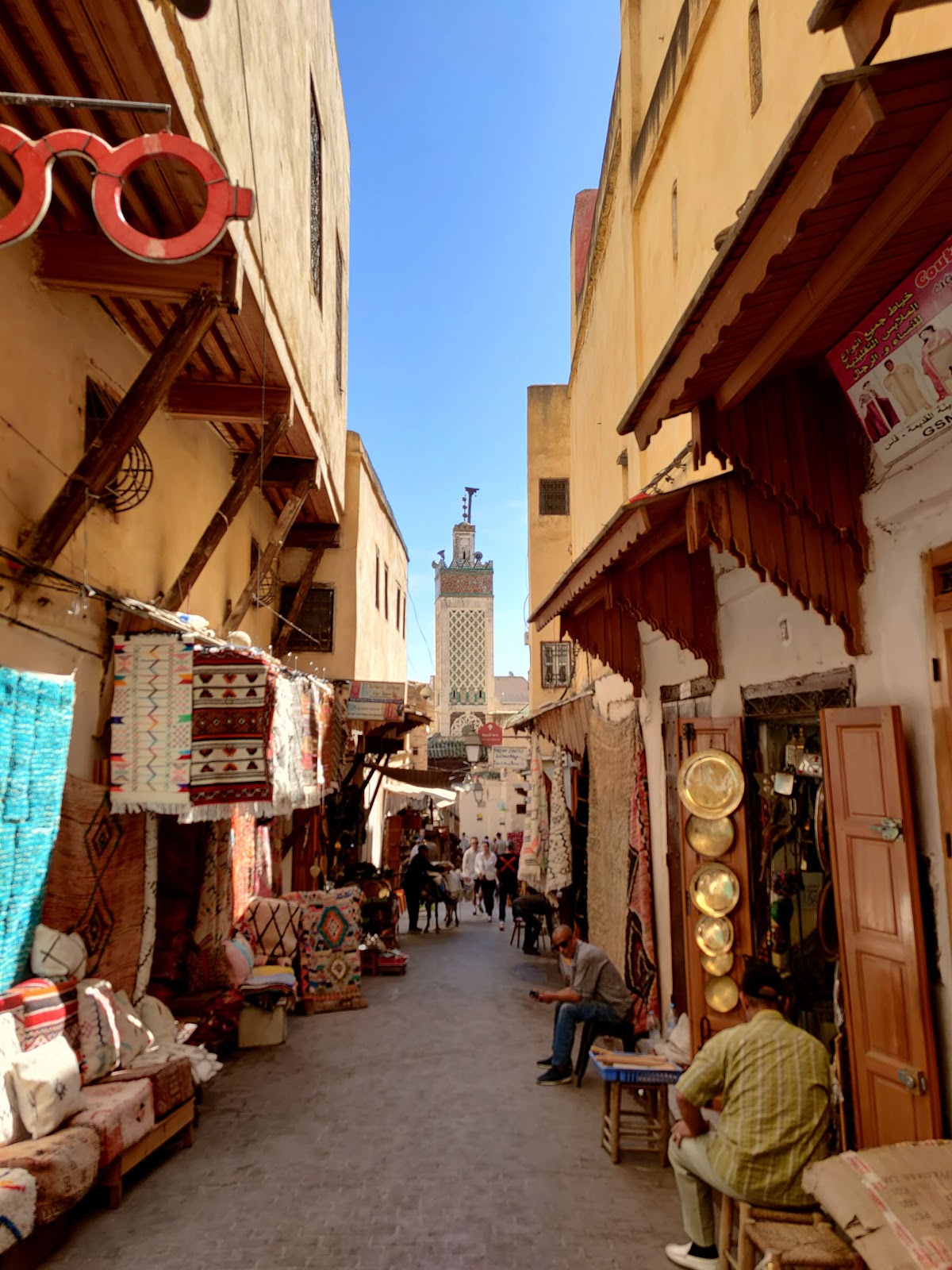
The markets of Fez are among the oldest continuously operating urban marketplaces in the world, dating back to the 9th century when the city was founded.
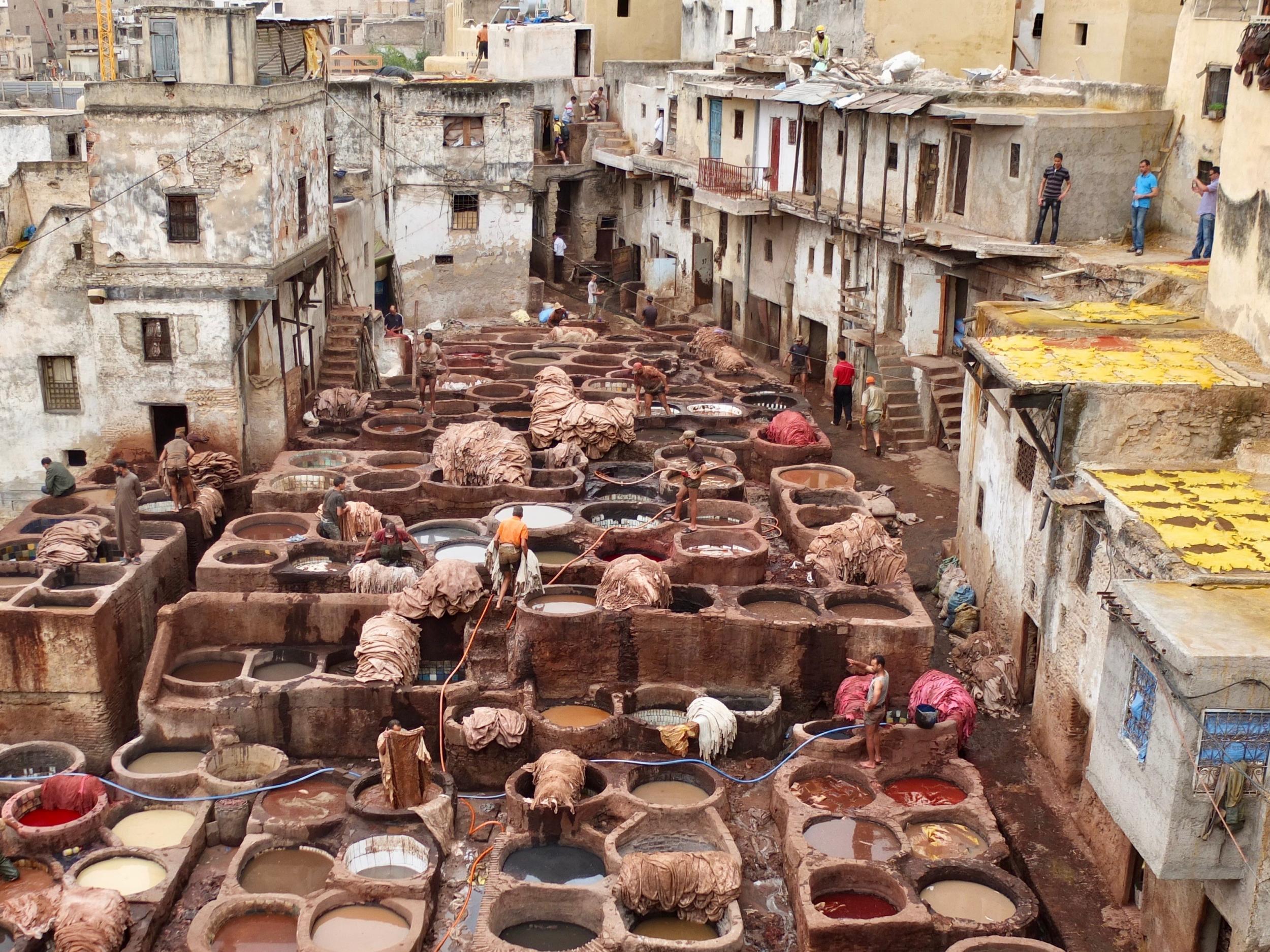
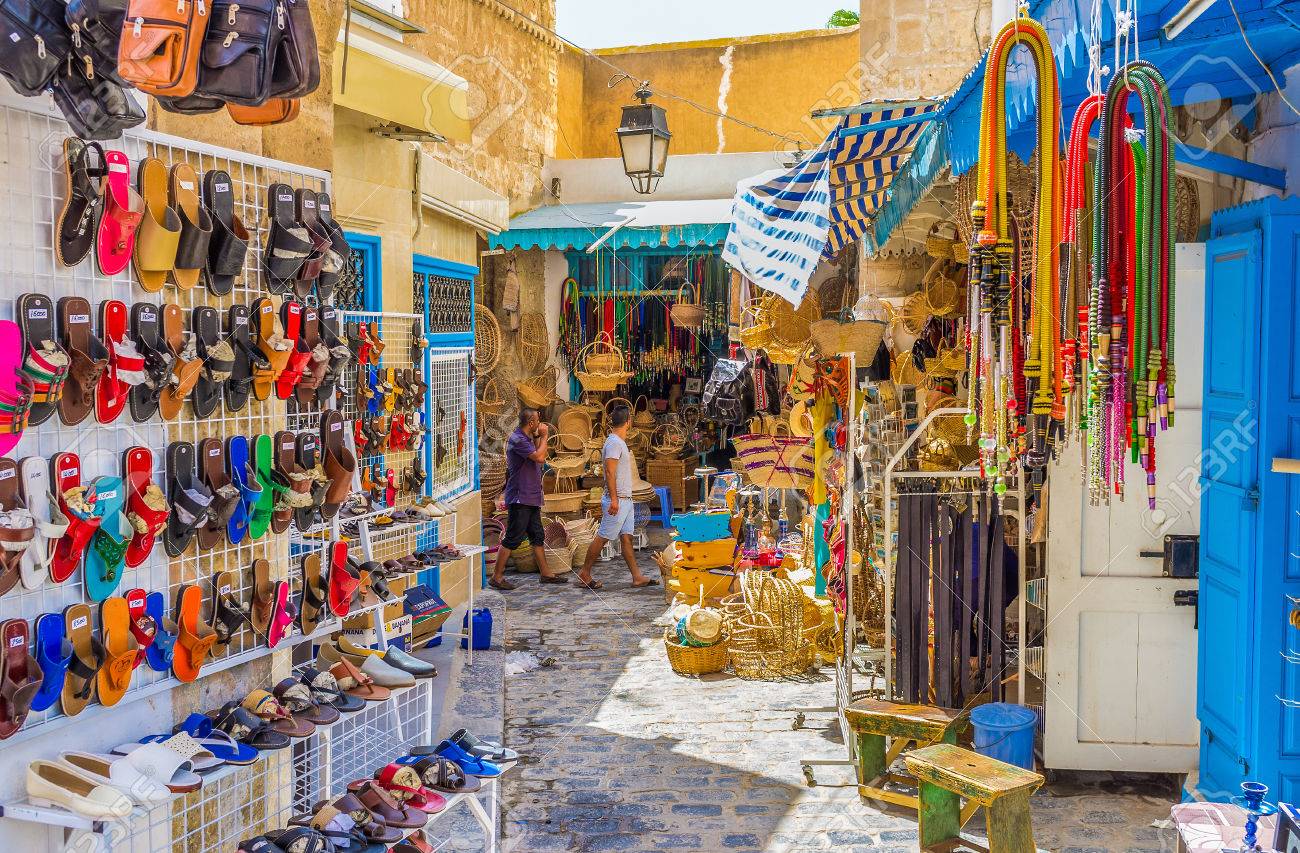
These labyrinthine souks stretch through narrow alleyways where merchants specialize in crafts such as leather tanning, metalwork, spices, textiles, and ceramics.
Even today, goods are transported through the medina using donkeys and hand carts, preserving a trading system that has changed little for centuries.
4. Onitsha Main Market — Onitsha, Nigeria
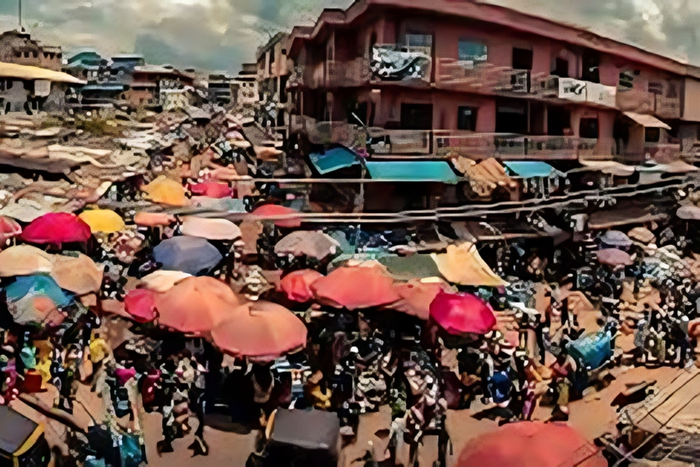
Located near the banks of the Niger River, Onitsha Main Market has served as a trading center for hundreds of years. It became particularly important during pre-colonial trade between river communities and inland merchants.
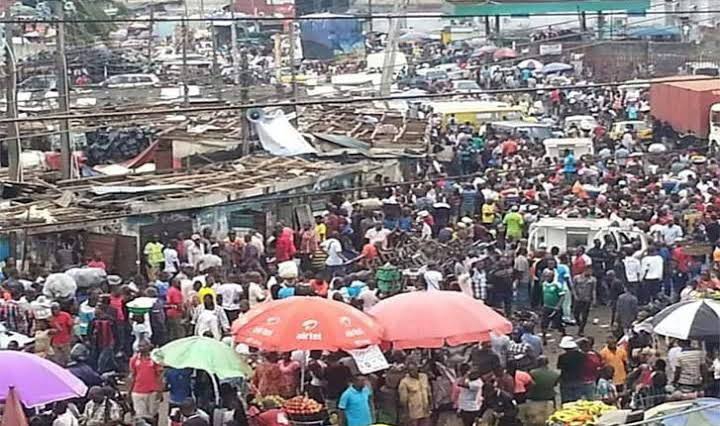
Today it is widely regarded as one of the largest markets in West Africa, with thousands of traders selling everything from textiles and electronics to agricultural produce.
Its scale and energy reflect the entrepreneurial spirit that defines Nigerian commerce.
5. Souk Erbaa — Sfax, Tunisia
Souk Erbaa is among the oldest markets in the historic medina of Sfax and dates back to the 9th century during the Aghlabid era.
Historically, the market specialized in wool and textile trading and was a social meeting place for elite merchants of the city.
Although many modern shops have appeared over time, the souk’s covered corridors and centuries-old trading traditions still define its atmosphere today.
6. Nakasero Market — Kampala, Uganda
Established in 1927, Nakasero Market is the oldest market in Uganda’s capital city.
The market employs thousands of traders and vendors who sell fresh produce, spices, textiles, and household goods. It serves as a critical economic lifeline for many residents who rely on small-scale trading.
Its location in central Kampala ensures that it remains one of the busiest and most important commercial spaces in the city.
7. Idumota Market — Lagos, Nigeria
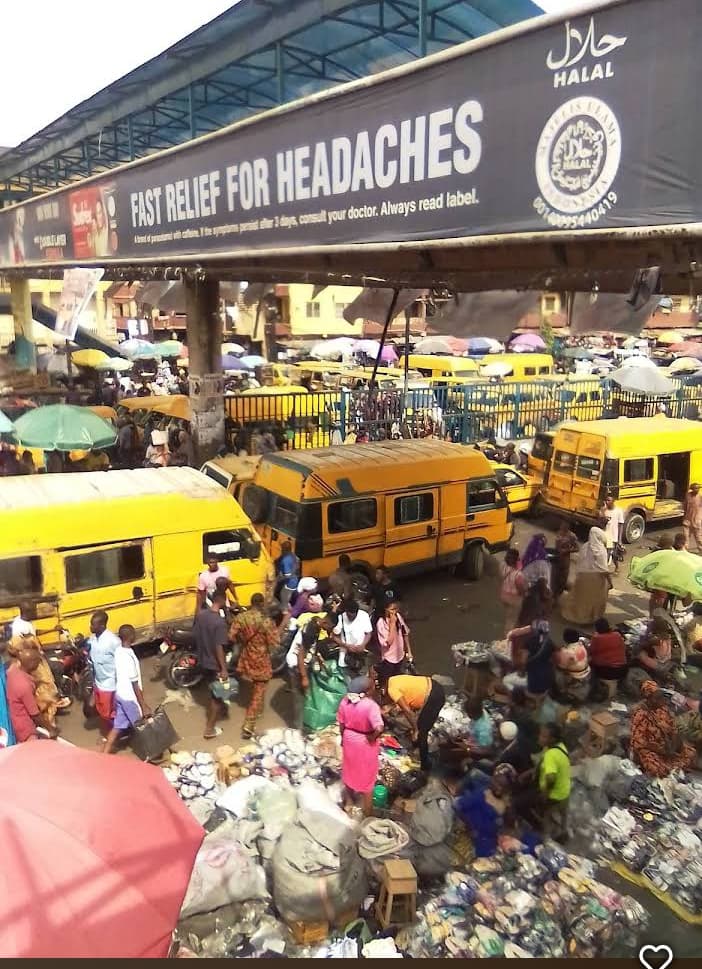
Situated on Lagos Island, Idumota Market is one of the oldest and largest commercial markets in Lagos.
Beyond everyday goods, it is famous for its role in the distribution of Nollywood films and music, making it a key player in Nigeria’s entertainment economy.
Thousands of traders operate in the multi-story buildings and street stalls that make up this bustling marketplace.
8. Maasai Market — Nairobi, Kenya
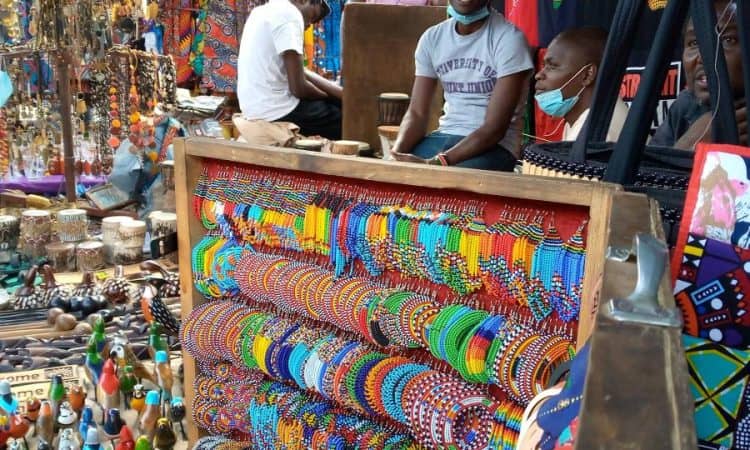
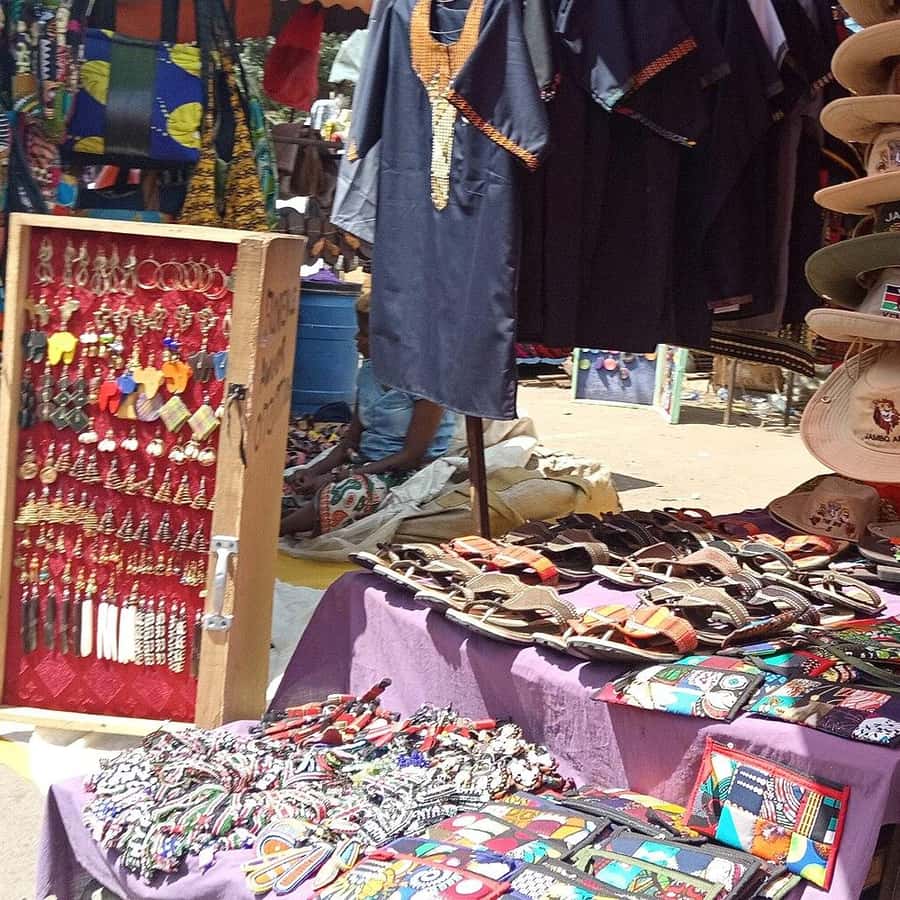
The Maasai Market in Nairobi is famous for showcasing handcrafted products made by the Maasai people and other Kenyan communities.
The market sells beadwork, jewelry, leather goods, woven baskets, and traditional fabrics. While it moves between different locations in the city, it has long served as a vital platform for local artisans to reach both locals and tourists.
It is also a powerful symbol of how traditional craftsmanship remains economically relevant in modern African cities.
9. Oyingbo Market — Lagos, Nigeria
Established in the early 1920s, Oyingbo Market has long been one of Lagos’s busiest food markets.
It serves as a central distribution point for fresh produce, grains, and household food items. The market was rebuilt in recent years as an ultramodern complex, yet it continues to play the same economic role it has for over a century.
10. Souk El Mahsoulat — Sfax, Tunisia
Founded in 1840, Souk El Mahsoulat is one of the historic agricultural markets in the Tunisian city of Sfax.
Originally known as a livestock market, it evolved into a major trading center for cereals, olives, almonds, and other local produce. Today it still functions as a daily produce market serving the city and surrounding agricultural regions.
Conclusion: Living Heritage in Africa’s Markets
Africa’s oldest markets are more than places of commerce—they are living historical institutions. For centuries, they have connected farmers, craftsmen, merchants, and communities across vast distances.
Despite the rise of supermarkets, ecommerce, and modern retail centers, traditional markets continue to thrive because they offer something deeper than transactions: community, culture, and identity.
From the ancient souks of Morocco to the bustling trading hubs of Nigeria, these markets demonstrate Africa’s enduring entrepreneurial spirit. Preserving and supporting them is not only an economic necessity—it is also a way of safeguarding the continent’s rich cultural heritage for future generations.



 chijioke