

Leptis Magna: Libya’s Ancient Roman Masterpiece Frozen in Time
Discover Leptis Magna in Libya, one of the best-preserved ancient Roman cities, featuring stunning ruins, monumental architecture, and a rich imperial history dating back centuries.
 Afri54
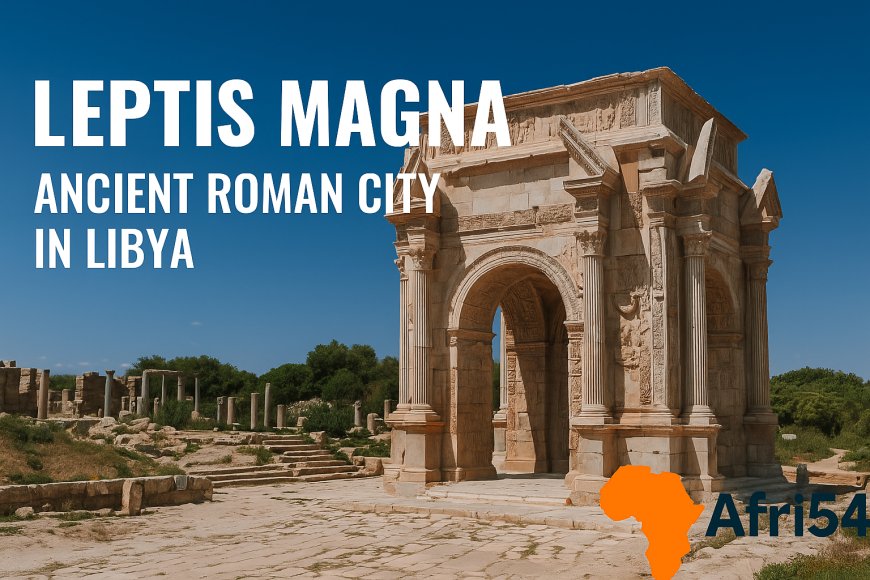


Leptis Magna, located on the Mediterranean coast of modern-day Libya, is one of the most spectacular and well-preserved ancient Roman cities in the world. Once a thriving hub of trade and culture, its impressive ruins stand today as a testament to the grandeur of Rome’s African legacy. From majestic arches to sprawling forums, Leptis Magna offers a breathtaking journey into history that few archaeological sites can rival.
A City of Power and Prestige
Founded by the Phoenicians around the 7th century BCE, Leptis Magna later flourished under Roman rule. Its golden age came during the reign of Emperor Septimius Severus, who was born there in 145 CE. Under his guidance, the city became one of the most important urban centres in the Roman Empire.
Grand temples, marketplaces, ports, and theatres transformed the landscape, making it a symbol of power, wealth, and imperial pride.
Architectural Wonders Still Standing
Leptis Magna is celebrated for its remarkably preserved ruins, which provide a rare, vivid glimpse into Roman urban life. Key highlights include:
-
The Arch of Septimius Severus – An iconic quadrifrons arch built in honor of the emperor, showcasing intricate carvings and imperial imagery.

-
The Theatre – Overlooking the sea, this semicircular structure seated thousands and hosted plays, political speeches, and community gatherings.
-
The Hadrianic Baths – An enormous bath complex featuring mosaics, swimming pools, exercise courts, and changing rooms.
-
The Forum and Basilica – The political and social heart of the city, lined with colonnades and adorned with statues.
-
The Market (Macellum) – A circular marketplace with distinct stalls that reflect a highly organized commercial system.


These ruins have remained astonishingly intact due to centuries of burial under sand, which protected the city from theft and erosion.


A Maritime Trade Powerhouse
Leptis Magna’s coastal location made it a major trade hub linking Africa, Europe, and the Middle East. Goods such as olive oil, grain, ivory, and exotic animals passed through its bustling port. Its economic success attracted migrants, merchants, and migrants from across the Mediterranean world.
Decline and Rediscovery
Like many Roman cities, Leptis Magna began to decline after the fall of the Western Roman Empire in the 5th century. Invasions, shifting trade routes, and natural disasters eventually led to its abandonment. Buried by sand and largely forgotten, it remained hidden for centuries.
Archaeological excavations beginning in the 20th century uncovered the city’s splendors, revealing one of the best-preserved classical sites ever discovered.
UNESCO World Heritage Treasure
Recognized by UNESCO in 1982, Leptis Magna is considered a crown jewel of ancient architecture. Its resilience and conservation make it a valuable educational and cultural landmark. Despite political challenges in the region, efforts continue to protect and preserve this incredible site.
Why Leptis Magna Matters Today
Leptis Magna is more than a historic ruin—it’s a window into human ingenuity, trade networks, and architectural brilliance. For historians, visitors, and heritage lovers, it offers a vivid glimpse into what life was like in one of the Roman Empire’s greatest cities outside Europe.
Have you listed your business on Afri54?
Afri54 exists to solve a fundamental challenge faced by millions of African businesses: lack of visibility. Whether you’re an automobile part seller in Lagos, a local attire manufacturer in Kigali, a coffee exporter in Addis Ababa, or a mobile phone supplier in Accra, you deserve to be seen. Join Now